


Hidden Health Problems in Senior Pets: Why Screening Tests Matter
Senior pets often feel like they have discovered the secret to life: more naps, fewer unnecessary adventures, and a deep appreciation for comfortable blankets. From the outside, they may seem just as healthy as they did years ago. But as dogs and cats age, certain health conditions can begin developing quietly beneath the surface. That is why senior wellness exams often include additional screening tests designed to catch problems early, before they affect your pet’s comfort or quality of life.
At Liberty Veterinary Hospital in Liberty Township, OH, we have been AAHA-accredited for more than 25 years. That means our approach to routine visits reflects the highest quality kind of proactive, life-stage-appropriate care that actually catches things early rather than waiting for symptoms to prompt action. We even offer senior wellness packages to make planning care for your pet’s golden years easy. Contact us to schedule a senior wellness visit built around what your pet’s age actually calls for.
Why a Standard Annual Exam Is Not Enough for an Aging Pet
Most owners notice the changes that come with age gradually: a little more gray around the muzzle, slower mornings, less enthusiasm for the stairs. Some of those changes are completely normal. Others are the first visible signs of conditions that have been quietly progressing for months.
The challenge with senior pets is that many serious diseases, including kidney disease, hypertension, early cardiac changes, and thyroid dysfunction, produce few or no outward symptoms until they are well advanced. Preventive testing for senior patients is valuable precisely because it identifies these conditions before the clinical picture becomes obvious. By the time a dog is visibly slowing down, losing weight without explanation, or drinking noticeably more water, a significant amount of organ function may already be lost.
Twice-yearly visits for senior pets serve a real purpose beyond standard annual care. Health can change meaningfully in six months in an older animal, and tracking trends in laboratory values over time provides information that a single snapshot cannot. A creatinine level that is technically within the normal range but has been quietly rising for two years tells a very different story than one that has been stable. That kind of longitudinal picture is only possible with consistent, documented screening.
What a Comprehensive Senior Screening Typically Includes
Senior pet care recommendations from AAHA emphasize individualized screening based on species, breed, and current health status. We tailor each plan to the specific patient, but common components include:
- Complete blood count and chemistry panel
- Urinalysis
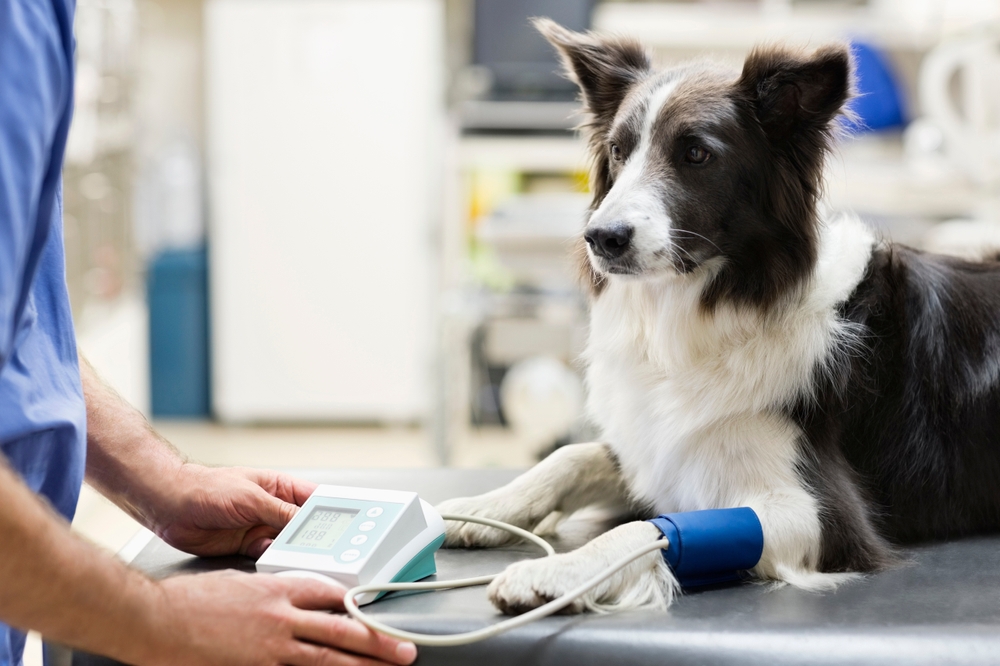
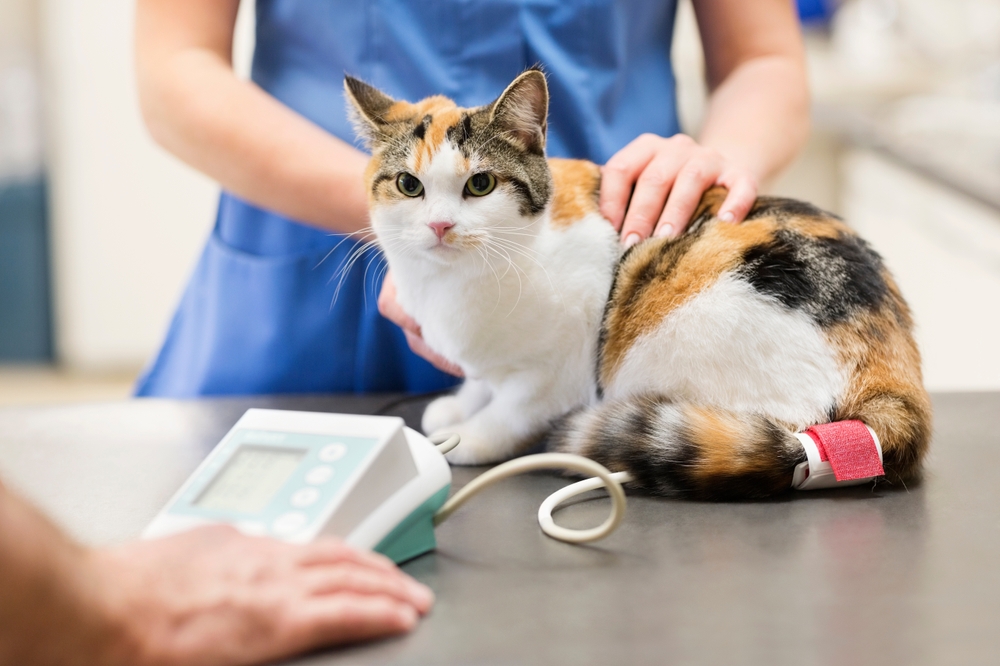
- Blood pressure measurement
- Thyroid testing (T4)
- Heartworm and tick-borne disease testing
- Chest and abdominal radiographs as indicated
- Ultrasound for organ evaluation when imaging findings warrant
- Dental assessment
- Pain scoring and musculoskeletal evaluation
Request an appointment to discuss which screenings make the most sense for your pet’s age, breed, and health history.
What Blood Work Reveals Before Symptoms Appear
Blood panels provide an internal snapshot of how the major organ systems are functioning at the time of testing. For senior pets, routine bloodwork is often the earliest available evidence that something is changing.
| Test | What It Measures | What It Can Detect |
| CBC (Complete Blood Count) | Red and white blood cells, platelets | Anemia, infection, inflammation, immune disorders |
| Chemistry Panel | Organ enzymes, proteins, electrolytes | Kidney disease, liver disease, diabetes, adrenal dysfunction |
| T4 (Thyroid) | Thyroid hormone level | Hypothyroidism in dogs, hyperthyroidism in cats |
| Heartworm/Tick Panel | Exposure to heartworm and tick-borne pathogens | Heartworm infection, Lyme disease, Ehrlichia, Anaplasma |
The value of comparing current results to prior baselines cannot be overstated. Our on-site lab means results are available quickly during the visit itself for most tests, with reference laboratory panels processed through top-tier external labs when more specialized testing is needed.
Blood Pressure: The Silent Threat in Senior Pets
Hypertension, or persistently elevated blood pressure, is common in senior dogs and cats and causes damage to multiple organ systems without producing obvious symptoms until the injury is already significant. The kidneys, eyes, heart, and brain are particularly vulnerable to the effects of chronic high blood pressure.
Kidney disease and hyperthyroidism in cats are two of the most frequent underlying contributors to hypertension. In dogs, kidney disease, Cushing’s disease, and diabetes are common associations. Left untreated, high blood pressure can cause retinal detachment and sudden vision loss, cardiac enlargement, and accelerated kidney deterioration.
Blood pressure measurement in pets uses specialized equipment adapted for animals and is a non-invasive, low-stress addition to a wellness visit. When hypertension is identified, treatment typically involves medication combined with management of the underlying cause, and the prognosis for organ preservation improves significantly with early intervention.
What a Urinalysis Adds to the Picture
Urinalysis provides information that blood work alone cannot. Urine concentration, protein content, glucose levels, pH, and the presence of cells or bacteria each contribute to a fuller picture of kidney function, hydration status, and urinary tract health.
Kidneys lose the ability to concentrate urine as their function declines, and this is one of the earliest detectable changes in progressive kidney disease. It shows up in urinalysis before blood values reflect significant impairment. Combined with blood chemistry results, urinalysis allows us to stage kidney disease more precisely and make more targeted management recommendations.
Dilute urine in a senior cat, for example, can indicate both kidney disease and diabetes insipidus, while concentrated urine with elevated protein in a dog might point toward glomerular disease. The combination of tests tells a clearer story than either one alone.
Screening for Heart Disease: Why It Matters Even When Pets Seem Fine
Many pets with early or moderate cardiac disease are entirely comfortable and show no symptoms at rest. By the time shortness of breath, exercise intolerance, or coughing become apparent, the condition has already progressed substantially. Heart disease diagnosis at an earlier stage provides more therapeutic options and a better opportunity to slow progression.
| Screening Tool | What It Evaluates |
| Chest radiograph | Heart size and shape, lung fluid, vascular changes |
| Echocardiogram | Cardiac structure, valve function, wall motion, chamber dimensions |
| NT-proBNP testing | Biomarker released when heart muscle is under stress; useful for early detection |
| EKG | Cardiac electrical activity, rhythm abnormalities |
These tests are non-invasive and well-tolerated by most patients. We offer echocardiograms, ultrasound, and digital x-ray imaging in-house, so cardiac evaluation can be completed as part of a senior wellness visit without a separate referral.
When X-Rays and Ultrasound Are Part of Senior Screening
Radiography is particularly useful for evaluating the chest, where cardiac silhouette size, lung field changes, and evidence of fluid accumulation can all be assessed. In the abdomen, radiographs provide a broad survey of organ size, position, and the presence of masses, stones, or abnormal gas patterns.
Ultrasound offers a complementary view, providing real-time imaging of organ architecture, blood flow, and internal structure that radiographs cannot show. Splenic nodules, adrenal changes, liver texture abnormalities, and bladder wall thickness are all assessable via ultrasound and are more common findings in senior patients. The two modalities together give us significantly more information than either provides alone.
Common Conditions Senior Screening Catches Early
Thyroid Disease in Dogs: Hypothyroidism
Hypothyroidism in dogs results from reduced production of thyroid hormone, most commonly due to immune destruction of the thyroid gland. Because the thyroid regulates metabolism, reduced thyroid function slows nearly every body process.
The signs are easy to mistake for ordinary aging: weight gain without increased food intake, low energy, exercise intolerance, a thinning or dull coat, and susceptibility to skin infections. A simple T4 blood test identifies the condition, and daily oral medication manages it effectively in most dogs, with improvement in energy and coat quality often apparent within weeks of starting treatment.
Thyroid Disease in Cats: Hyperthyroidism
Where dogs develop hypothyroidism, cats almost universally develop the opposite. Feline hyperthyroidism involves overproduction of thyroid hormone from an enlarged thyroid gland, which dramatically increases metabolic rate. The classic presentation includes weight loss despite a ravenous appetite, restlessness, a fast or irregular heart rate, and sometimes vomiting or diarrhea.
Hyperthyroidism is the most common endocrine disease in senior cats and is readily identified through T4 testing. Treatment options include daily oral medication, a prescription iodine-restricted diet, radioactive iodine therapy, or surgical removal of the affected gland. The right choice depends on the individual cat’s health status, temperament, and what works for your household.
Kidney Disease: Catching It Before It’s Obvious
Chronic kidney disease is extremely common in senior cats and occurs with meaningful frequency in older dogs as well. The kidneys have significant reserve capacity, which means clinical signs including increased thirst, weight loss, reduced appetite, and vomiting typically do not appear until 60 to 75 percent of kidney function is already lost.
Annual or biannual bloodwork combined with urinalysis identifies rising creatinine, blood urea nitrogen, and phosphorus levels, along with declining urine concentration, at a stage when dietary modification, hydration support, and targeted medications can substantially slow progression. Early identification makes a real difference in both how long and how comfortably a pet lives with this diagnosis.
Heart Disease in Senior Pets
Small-breed dogs are at elevated risk for mitral valve disease, which involves progressive thickening and leakage of the valve between the heart’s left chambers. Large and giant breeds are more prone to dilated cardiomyopathy, a condition that weakens the heart muscle and reduces pumping efficiency. In cats, hypertrophic cardiomyopathy is the predominant form, involving thickening of the heart wall that reduces the chamber volume available for filling.
When cardiac disease is identified early, treatment can begin before the heart’s compensatory mechanisms are exhausted, providing the best opportunity to maintain quality of life and delay progression to congestive heart failure.
Cancer: Early Identification Changes Outcomes
Cancer becomes significantly more common with age, and presentations vary widely. Lymphoma is one of the most frequently diagnosed cancers in dogs, often presenting as enlarged lymph nodes, but it can also involve internal organs without any external signs. Hemangiosarcoma is an aggressive vascular tumor common in German Shepherds, Golden Retrievers, and Labrador Retrievers that can grow silently in the spleen or liver until rupture. Osteosarcoma predominantly affects large and giant breed dogs and is often identified first as limb pain or swelling.
Imaging during senior wellness visits provides one of the most practical tools for internal tumor screening, allowing us to identify splenic masses, lung nodules, or abdominal organ changes that would not be apparent on physical examination alone.
Liver Disease
Liver disease in senior pets often develops gradually and produces no obvious signs until function is significantly compromised. Routine blood chemistry panels measure liver enzymes and bilirubin levels, and abnormalities can appear months or years before clinical signs such as jaundice, vomiting, or fluid accumulation develop. Early identification allows dietary adjustments, hepatoprotective supplements, and treatment of any underlying cause while the liver’s regenerative capacity is still intact.
Arthritis and Joint Pain
Arthritis affects the majority of dogs over age seven and is significantly underdiagnosed in cats, in part because cats tend to hide discomfort and reduce activity rather than showing obvious lameness. Joint supplements including omega fatty acids and glucosamine provide a supportive foundation. Laser therapy reduces inflammation and pain at the tissue level without systemic medication. Injectable monthly options offer meaningful relief: Solensia is approved for feline osteoarthritis pain, and Librela targets the same pathway in dogs.
We carry a range of senior support options through our pharmacy, including senior supplements, Senilife for cognitive support, Senior Vitality Pro Healthy Cognition Soft Chews, and hip and joint supplements. For pets with significant mobility limitations, supportive harnesses including the Front Leg Lifting Harness and Hind Leg Lifting Harness can assist daily movement safely.
Dental Disease and Systemic Health
Dental care is often the most overlooked piece of senior health, and the consequences go well beyond bad breath. Periodontal disease is present in the majority of pets over three years old, becomes progressively more severe with age, and the inflammatory burden from untreated dental disease has been associated with changes in kidney, liver, and cardiac tissue.
Warning signs in senior pets include persistent bad breath, reluctance to chew hard food, dropping food, pawing at the mouth, and visible tartar accumulation or gum recession. Professional dental cleanings under anesthesia with dental radiography remain the gold standard for assessment and treatment. We include pre-anesthetic blood work as standard protocol before all procedures, ensuring that any organ concerns are identified and accounted for before anesthesia is administered. We also offer a wide range of dental health products to help prevent plaque build up between cleanings.
Frequently Asked Questions About Senior Pet Screening
How often should a senior pet be screened?
Most veterinary organizations recommend twice-yearly wellness visits for pets aged seven and older, with screening labs at least annually. Dogs and cats age faster than humans, and a six-month interval in a senior pet is meaningful time in which conditions can change significantly.
What signs suggest my pet might need screening now rather than waiting?
Weight change in either direction, increased thirst or urination, changes in appetite, new lumps or bumps, exercise intolerance, behavioral changes, excessive panting at rest, or difficulty rising from lying down are all worth discussing with us promptly rather than waiting for a scheduled visit.
Helping Your Senior Pet Thrive
The best time to identify a disease in an aging pet is before it has produced significant symptoms. That window, when treatment is most effective and quality of life is easiest to preserve, is exactly what proactive senior screening is designed to protect.
We bring the same thoroughness and genuine investment to every senior wellness visit that has supported our AAHA accreditation across more than two decades. Ask us about our senior wellness plans to make care even easier. Your pet’s later years can be comfortable, active, and full, and the right screening protocol is what makes that possible. Reach out to us or request an appointment to schedule a senior wellness evaluation today.



Leave A Comment