


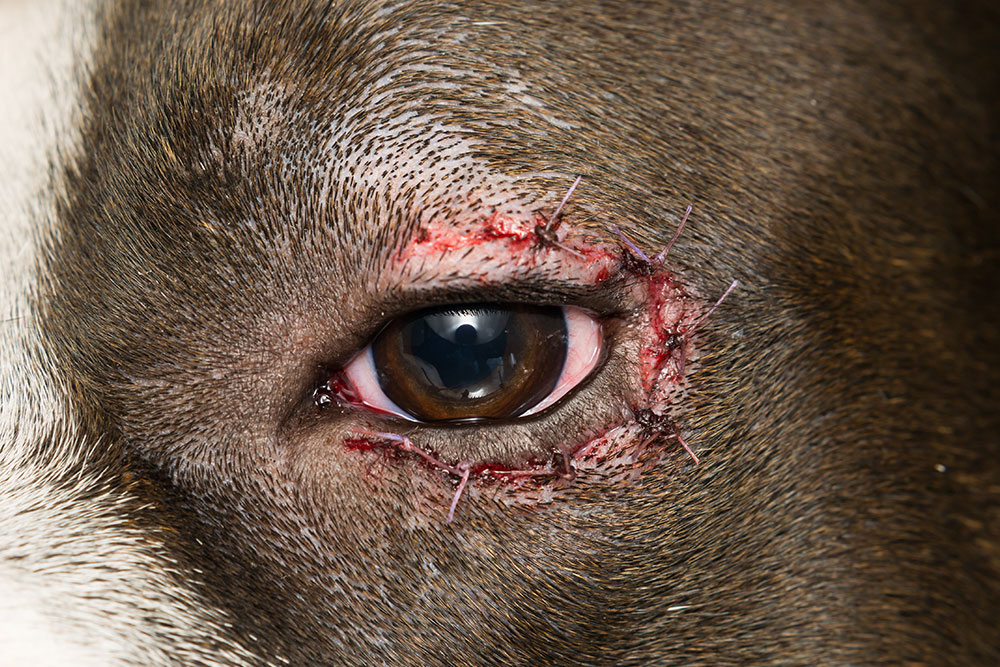
Eyelid Problems That Cause Pain: Entropion and Ectropion Explained
Eyes are meant to open comfortably, with eyelids that sit smoothly against the eye. When an eyelid rolls inward, the lashes can rub the surface of the eye every time your pet blinks, which may cause squinting, tearing, redness, or pawing at the face. When an eyelid droops outward, the inner lid can stay exposed and dry, making the eye look irritated and increasing the risk of recurrent infections. These problems rarely improve without treatment. Medications can soothe inflammation for a while, but surgery is often the best way to correct the eyelid position and protect the eye long term.
Liberty Veterinary Hospital in Ohio offers eyelid correction surgery as part of our AAHA-accredited surgical services. We check for entropion and ectropion during routine visits and recommend surgery when it is needed to prevent scarring, chronic discomfort, or vision-threatening damage. Using laser surgery, we can make precise corrections that support a smoother recovery and a natural appearance. Our team also prioritizes pain control and clear home-care instructions so you know what to expect day by day. If you are noticing squinting, persistent tearing, discharge, or recurring redness, request an appointment so we can evaluate your pet’s eyelids and discuss next steps.
When Your Pet’s Eyelids Cause More Harm Than Good
Picture this: your dog keeps squinting, with constant tearing and brown stains under the eye. Or your cat has redness and discharge pooling in the corner. These aren’t just “eye irritations.” They often point to structural eyelid problems that won’t go away with drops alone.
Two common eye conditions affect eyelid position and cause ongoing discomfort: entropion (lid rolling inward) and ectropion (lid drooping outward). Both worsen without treatment, so early recognition matters.
How Eyelid Position Affects Eye Health
What Happens When Eyelids Roll Inward
Entropion means the eyelid margin folds toward the eye. Lashes and hair rub the cornea with every blink, like having a grain of sand trapped under your lid all day. This causes tearing, squinting, and inflammation.
Some pets are born with facial shapes that lead to entropion; others develop it after injury or chronic irritation. Squinting can make the lid roll in more, creating a painful cycle. Untreated rubbing can cause corneal ulcers, scarring, and vision problems.
What Happens When Eyelids Droop Outward
Ectropion is the opposite: the lower lid sags away, exposing delicate inner tissue. That tissue dries, collects debris, and gets irritated or infected. Eyes may look red and weepy, and discharge builds up in the pocket created by the drooping lid. Because loose skin rarely tightens on its own, this condition usually persists without correction. Our AAHA-accredited exams help catch issues early.
Which Pets Face Higher Risk
Facial anatomy plays a big role. Some breeds are more prone, but any dog or cat can be affected.
- Higher entropion risk: Shar-Peis, Chow Chows, English Bulldogs, Mastiffs, Rottweilers, Spaniels
- Higher ectropion risk: Saint Bernards, Bloodhounds, Basset Hounds; Cocker Spaniels can get either
Other contributors include aging, prior trauma, chronic inflammation, scarring, and “spastic entropion,” where eye pain triggers the lid to roll inward. Puppies and kittens may outgrow mild irregularities, but some eyelid disorders only appear fully as the face matures around one to two years. Our experienced team notes breed risks early and tracks changes over time.
Signs Your Pet Needs Eyelid Evaluation
Act promptly if you see:
- Tearing or thick discharge, redness, or visible lid malposition
- Squinting, holding the eye partly closed, or cloudiness on the cornea
- Worsening brown tear staining under the eyes
Behavioral clues:
- Rubbing the face, avoiding bright light, less playfulness or eye contact
- In cats, subtle changes like less grooming or socializing
Symptoms can start mild and steadily intensify. Spastic entropion can also appear suddenly with a painful ulcer. If you notice these signs, schedule an exam so we can check for eyelid problems and related eye issues.
How We Diagnose Eyelid Abnormalities
We look beyond how lids sit at rest. After a visual exam, we may apply numbing drops and reassess. If the lid improves when pain is relieved, spastic factors are involved, which can change the treatment plan.
Typical tests include:
- Schirmer tear test to check tear production
- Fluorescein stain to spot corneal ulcers
- Magnified exam to find abnormal lashes
- Assessment of facial structure and both eyes, even if only one looks affected
Some cases benefit from a veterinary ophthalmologist’s input. Our in-house tools and coordinated care help ensure accurate diagnosis and the right treatment path.
Treatment: Temporary vs Permanent Solutions
Not every case jumps straight to permanent surgery. Age, severity, and whether pain is driving lid rolling guide the plan.
- Temporary tacking sutures can help puppies while they grow, or when pain is causing spastic entropion. Once the eye is comfortable, we reassess the true anatomic problem.
- Surgical alternatives like staples or repeat tacking can buy time. Most anatomical cases ultimately need permanent correction.
We provide both temporary and permanent options and tailor the plan to your pet.
Permanent Surgical Correction: The Basics
Surgery aims to place the eyelid back where it belongs so it protects the eye without rubbing or gaping.
- For entropion: We remove a small strip of skin so the lid rolls back out and sits flush with the eye.
- For ectropion: We shorten and tighten the lid so it makes gentle contact with the eye’s surface.
Plans consider breed, facial anatomy, whether one or both lids are involved, and severity. Sometimes both entropion and ectropion exist in different parts of the same eyelid and need combined correction. We prioritize conservative, precise adjustments to avoid overcorrection. Laser techniques help reduce bleeding and speed healing. Severe or developing cases may benefit from staged procedures.
Special Considerations for Feline Patients
Cats often develop entropion later in life as the eye sits deeper with age, or after chronic eye disease. In many cats, combining a standard lower-lid correction with tightening at the outer corner helps prevent recurrence.
Cats with long-standing irritation can develop corneal sequestrum, a dark area of dead corneal tissue; we address both the sequestrum and the lid problem together. Our approach is tailored for feline anatomy and needs.
What Surgery Day Looks Like
We’ll examine your pet beforehand, and may run bloodwork for safe anesthesia, especially in seniors or pets with other health concerns. Under general anesthesia, we work carefully around the delicate eyelid area, using precise instruments and continuous monitoring.
Most surgeries take 30 to 90 minutes, depending on complexity. Pain control starts during surgery and continues through recovery. Many pets go home the same day once they’re awake and comfortable. Some complex cases may stay overnight for observation.
Helping Your Pet Heal After Surgery
The First Few Days
Mild swelling and bruising are common for a day or two. Stitches are visible and important for holding the eyelid in position while it heals. An Elizabethan collar prevents rubbing; remove it only briefly for supervised meals if needed.
Your at-home care:
- Give pain medications as prescribed
- Use cold compresses if recommended
- Keep the area clean and dry
- Watch for increased swelling, colored discharge, or suture issues
- Limit activity to protect the site
Things should look better each day. Call us if pain increases, discharge worsens, or stitches look compromised. Our team is available for questions so you never feel unsure during recovery.
Recovery Timeline and Follow-Up
Initial healing takes about 10 to 14 days, when we usually remove stitches. Final eyelid position continues to settle for several weeks as swelling fades. We’ll recheck to confirm the lid sits correctly and the cornea looks healthy.
Occasionally, a minor touch-up is needed, especially in young pets who are still growing. Most return to normal activity in two to three weeks, with cosmetic appearance improving over six to eight weeks.
Expected Results and Long-Term Outlook
Surgery typically relieves pain quickly by stopping friction or exposure. You’ll see less tearing, less squinting, and a happier, more comfortable pet. Outcomes are best when addressed before extensive scarring develops. Following at-home instructions closely helps ensure smooth healing.
Existing corneal scars may remain visible, but once the eyelid is corrected, new damage should stop. Vision is usually preserved unless scarring was severe before treatment. Rare complications include infection or suture reactions; these are uncommon and usually resolve with prompt care.
If you show your dog, be aware some breed standards restrict competition after eyelid surgery. Medical decisions should prioritize your pet’s comfort and health.
Protecting Eye Health After Correction
Surgery is a major step, but ongoing eye care matters, especially in predisposed breeds.
Long-term strategies:
- Regular eye checks as recommended for your pet’s age and breed
- Protect eyes during rough play or dusty, smoky environments
- Manage allergies or dry eye that can irritate the surface
- Keep facial hair trimmed around the eyes in long-coated breeds
- Maintain a healthy weight and watch for new signs like squinting, redness, or discharge
Good nutrition with antioxidants and omega-3s supports eye health, though it won’t prevent anatomical eyelid issues. Breeders can help by avoiding extreme facial traits and not breeding pets with hereditary eyelid problems. Responsible choices reduce future risk in the breed population.
Our preventive care includes breed-specific counseling and lifetime support. We’ll partner with you to keep your pet comfortable and protect their vision at every stage.

FAQs About Pet Entropion and Ectropion
What’s the difference between entropion and ectropion?
Entropion rolls the lid inward so lashes rub the cornea. Ectropion droops the lid outward, exposing inner tissue to dryness and debris. Both can cause pain and infections without treatment.
Can eye drops fix these conditions?
Drops can ease irritation temporarily, but they don’t correct the eyelid’s position. Surgery is the permanent solution for structural problems.
Will my puppy grow out of it?
Mild cases sometimes improve as the face matures. Temporary tacking can protect the eye during growth, but many pets still need a permanent correction later.
How long is recovery?
Stitches usually come out in 10 to 14 days. Most pets are back to normal activity within two to three weeks, with cosmetic healing over six to eight weeks.
Is surgery safe for seniors?
With pre-anesthetic screening and careful monitoring, seniors often do very well. We tailor anesthesia and pain control to each pet’s health status.
Your Partner in Protecting Your Pet’s Vision
Eyelid disorders are painful, but the fix is straightforward and effective. Once the eyelid is in the right position, most pets feel better quickly and stay comfortable long term. Our team pairs surgical expertise with modern technology and attentive aftercare to guide you from diagnosis through recovery.
If you’re noticing squinting, redness, tearing, or changes in eyelid position, don’t wait. Early evaluation prevents bigger problems and protects vision. We’re here to help you choose the best path for your pet’s comfort and eye health. Contact us or request an appointment to schedule an eye exam, ask questions, or plan the next step together. We’ll be your partner in care, every step of the way.


Leave A Comment