


Chronic Ear Infections in Dogs: What Owners Need to Know
You know the sound- the constant scratching, the desperate head shaking, the whimpers of discomfort. Watching your dog struggle with chronic ear infections is frustrating and heartbreaking. These recurring issues aren’t just an annoyance; they cause pain and can lead to hearing loss if left untreated. Discovering the root cause of these infections- whether it’s underlying allergies, bacteria, or even the unique shape of your dog’s ears- is the crucial first step. Partnering with your veterinarian to understand the cause will help you design a plan for effective treatment and prevention, finally giving your dog the relief they deserve.
At Liberty Veterinary Hospital, we treat each patient like family, providing comprehensive, compassionate care guided by our AAHA-accredited standards. Our experienced veterinarians combine advanced diagnostics with personalized treatment to address the underlying cause- not just the symptoms- of ear infections. From thorough routine visits to specialized surgical care, our goal is to restore comfort and prevent future flare-ups.
Understanding Chronic Ear Infections in Dogs
Chronic ear infections are one of the most common yet misunderstood issues in canine medicine. These conditions develop when moisture, allergens, or debris disrupt the ear’s natural balance, allowing bacteria or yeast to thrive. Dogs with long or floppy ears, frequent swimmers, or those prone to allergies often struggle the most.
The canine ear canal is uniquely structured with an L-shaped configuration that makes it particularly vulnerable to infection. This anatomical design- featuring a vertical canal that drops down before making a horizontal turn toward the eardrum- creates pockets where moisture and debris can easily accumulate. Unlike human ear canals, which are relatively straight and self-draining, this bent structure means dogs need more proactive ear care to prevent problems.
Certain breeds face higher risk due to their ear anatomy. Cocker Spaniels, Basset Hounds, and other dogs with heavy, pendulous ear flaps have reduced air circulation, creating a warm, humid environment where pathogens flourish. Breeds with excessive ear hair like Poodles and Schnauzers can trap debris deep within the canal. Even dogs with seemingly upright ears can develop infections if they have narrow ear canals or produce excessive ear wax.
Our diagnostic approach at Liberty Veterinary Hospital focuses on finding the why. With in-house cytology and diagnostic services, we can identify what’s driving the inflammation and tailor treatment accordingly. If your dog is showing repeated ear discomfort or odor, it’s time to schedule an appointment for a full ear evaluation.
Why Dog Ear Infections Develop
Healthy ears maintain a balanced microbiome protected by a skin barrier. When that barrier is compromised- by allergies, moisture, hormonal changes, or even a simple scratch- pathogens can take over. Common culprits include:
- Environmental or food allergies
- Endocrine disorders like hypothyroidism
- Foreign bodies such as foxtails
- Hormonal conditions like Cushing’s disease
- Excessive moisture after swimming or bathing
Understanding the relationship between these triggers is essential. For instance, allergies don’t directly cause infection- instead, they create inflammation that weakens the ear’s protective barrier and increases wax production. This inflammatory response changes the ear canal’s pH and temperature, creating ideal conditions for opportunistic bacteria and yeast to multiply. Similarly, endocrine disorders affect skin health throughout the body, including the delicate lining of the ear canal, making it more susceptible to secondary infections.
The timing and pattern of infections can provide valuable diagnostic clues. Seasonal flare-ups often point to environmental allergies like pollen or mold, while year-round problems may suggest food sensitivities or anatomical issues. Dogs who develop infections exclusively after water exposure likely have moisture-related problems, whereas those with concurrent skin issues elsewhere on the body may be dealing with systemic allergies or hormonal imbalances.
Preventive care and consistent ear maintenance are vital for breaking the infection cycle. Our wellness services include regular ear checks to identify problems before they become painful or chronic.
Why Some Ear Infections Keep Coming Back
Recurring infections are often a symptom of an underlying issue. Even when treated properly, bacteria or yeast can return if the root cause remains unresolved. Our veterinarians may recommend diagnostic testing or allergy evaluation to identify triggers. If your dog’s ear infections return after treatment, a comprehensive workup can reveal what’s being missed. Don’t wait for symptoms to worsen- contact us to schedule an ear health assessment.
Warning Signs of Complicated or Chronic Ear Disease
When an ear infection becomes chronic, it may cause lasting inflammation and pain. Look for signs such as:
- Constant head shaking or scratching
- Head tilt
- Odor, discharge, or thickened ear canals
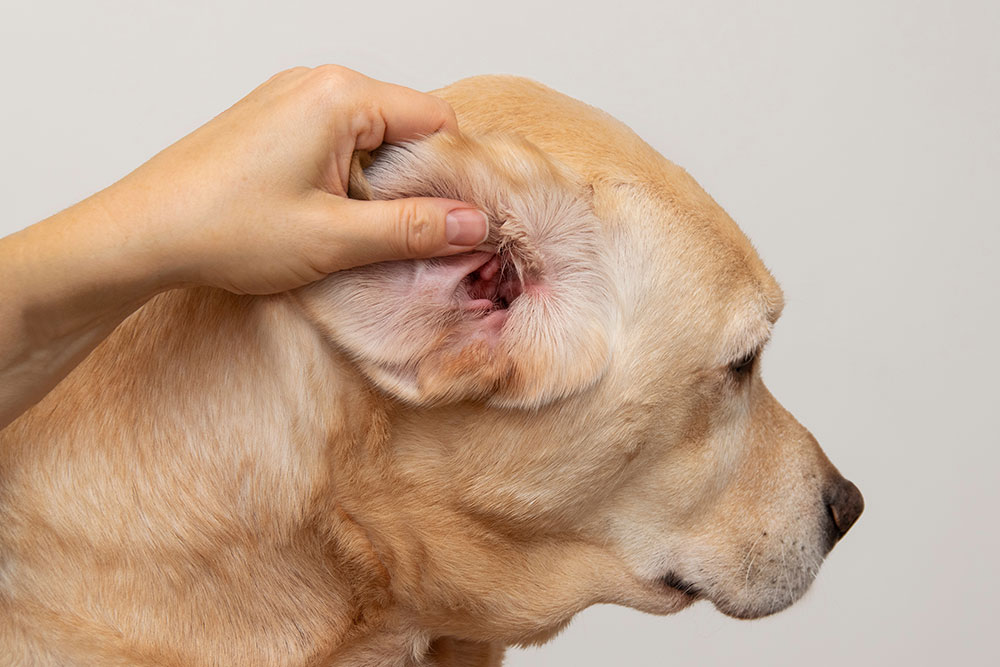
- Visible redness, swelling, or debris in the ear
- Development of ear hematomas from excessive head shaking
- Relapse shortly after completing medication
Diagnosing Chronic and Recurrent Ear Problems
Accurate diagnosis is essential for long-term success. A proper ear exam allows your veterinarian to assess the ear canal and eardrum. Next, ear cytology identifies whether bacteria, yeast, or parasites are present.
In persistent or complex cases, cultures or bloodwork may be recommended to rule out endocrine disease or allergies. For food-related sensitivities, an elimination diet trial helps confirm dietary triggers.
Liberty Veterinary Hospital’s on-site lab allows for same-day testing, helping us develop a treatment plan quickly and efficiently while minimizing your pet’s discomfort. Left untreated, chronic infections can damage the ear canal and lead to permanent hearing loss. If your dog shows these symptoms, schedule a prompt veterinary exam for a comprehensive evaluation and pain relief.
Effective Treatment Strategies for Recurring Ear Infections
Managing chronic ear infections involves both immediate relief and long-term prevention.
1. Cleaning the Active Infection
The first step is cleaning the ears to remove debris and discharge. If your pet is painful or scared, we may recommend sedation so they are more comfortable. Depending on severity, medicated drops, oral antibiotics, or anti-fungal treatments may be prescribed. Complete the entire treatment course- even if symptoms seem to improve- to prevent resistant infections.
2. Rechecks to Confirm Resolution
Even when the outer ear appears healed, bacteria or yeast may persist deeper inside. Regular rechecks confirm complete resolution, ensuring the infection doesn’t flare up again.
3. Addressing the Root Cause
Once the infection clears, long-term control begins. For food sensitivities, an elimination diet trial can help pinpoint the trigger. If growths or polyps are contributing, surgical procedures may be recommended. Hormone imbalances or chronic allergies are managed through targeted medication, diet, and regular monitoring.
4. Advanced Cases
In severe or end-stage disease, surgery may provide the best outcome. A total ear canal ablation can eliminate pain and chronic infection, restoring comfort and improving quality of life.
Preventing Chronic Ear Infections
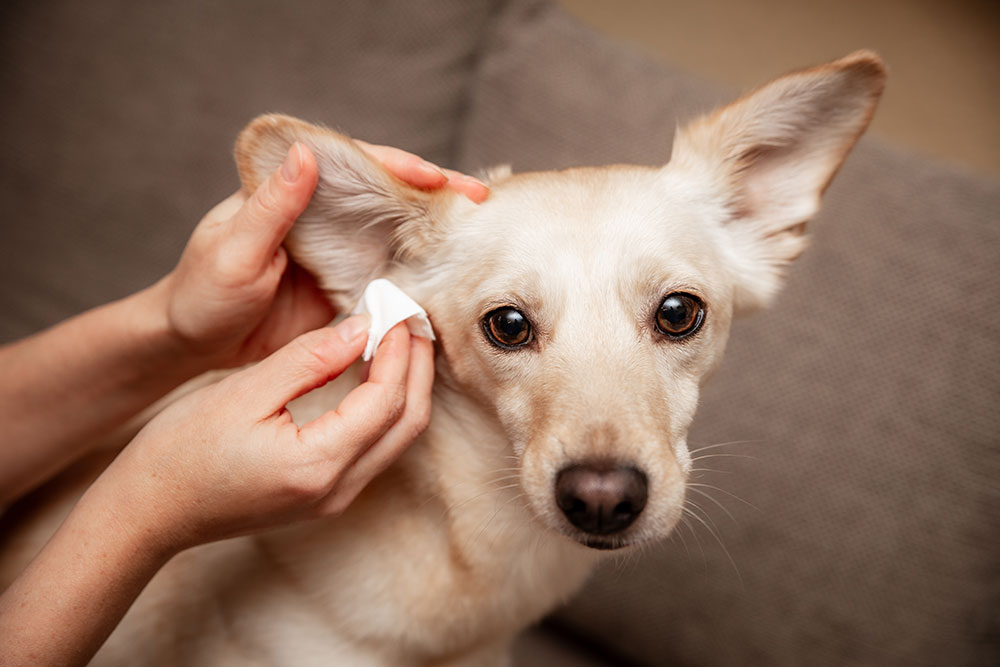
Routine maintenance and proactive management are the keys to preventing relapse. Establish a consistent ear cleaning schedule tailored to your dog’s breed and lifestyle, and check ears after swimming or outdoor play. Regular grooming and trimming around the ears also promote air circulation. Ask us for recommendations on ear cleaners that are best for your pet’s ears, and how often cleaning should be done.
Supporting healthy skin through nutrition further protects the ear canal’s natural defenses. If your dog has allergies, stay consistent with prescribed diet and medication to minimize inflammation. Ongoing wellness visits allow us to monitor ear health, adjust care plans, and intervene early if changes occur.
Frequently Asked Questions About Dog Ear Infections
Can swimming cause ear infections?
Yes. Moisture trapped in the ear after swimming or bathing creates a perfect environment for yeast and bacteria to thrive. Always dry your dog’s ears afterward.
Can foxtails cause ear problems?
Absolutely. These barbed seeds can embed deep within the ear canal, causing irritation and infection. After outdoor walks, check your dog’s ears, paws, and coat for debris.
Do allergies play a role?
Many chronic infections are linked to environmental or food allergies. Allergy testing or food trials can help identify triggers.
When is surgery needed?
If medical management fails due to structural damage or severe inflammation, surgical options like total ear canal ablation may be recommended.
Should I clean my dog’s ears regularly?
Yes, but use products and schedules recommended by your veterinarian- over-cleaning can also cause irritation.
If your dog’s ear infections continue despite treatment, it’s time for a more detailed plan. Contact us to schedule an exam and create a strategy for lasting comfort.
Breaking the Cycle for Good
Chronic ear infections are painful- but with proper diagnostics, full treatment, and consistent preventive care, most dogs can enjoy long-term relief. The key is addressing the underlying cause, not just treating the symptoms.
At Liberty Veterinary Hospital, we’re committed to helping every pet live a longer, happier life by your side. Our AAHA-accredited team combines advanced technology with genuine compassion to guide you through every step of diagnosis, treatment, and prevention.
If your dog is struggling with ear discomfort, don’t wait. Request an appointment today and let our team help restore comfort, health, and peace of mind.


Leave A Comment