


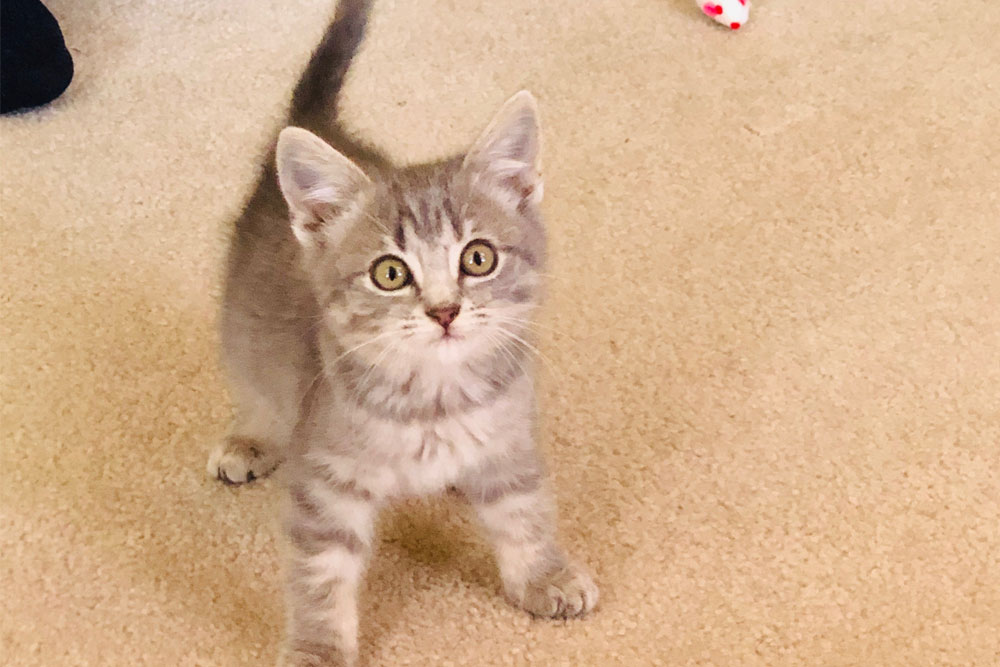
Recognizing Red Flags in Puppies and Kittens
Bringing home a new puppy or kitten is one of life’s greatest joys. But behind all the cuddles and playtime lies a serious truth: young pets are fragile. Their immune systems are immature, their curiosity is endless, and their bodies can’t yet handle the stresses that adult pets can. A skipped meal, a sudden fall, or an upset stomach can quickly spiral into a medical emergency.
At Liberty Veterinary Hospital, we understand that your pet is family. Our AAHA-accredited team provides advanced diagnostics, urgent care, and compassionate support for the youngest members of your household. Whether it’s a same-day visit or preventive routine care, we’re here to help your puppy or kitten stay safe, healthy, and happy.
Why Puppies and Kittens Need Special Care
New pets aren’t just small- they’re physiologically different. Their immune systems are still developing, and they dehydrate faster, cool down quicker, and metabolize medications differently than adults. Even mild symptoms can turn serious within hours.
A kitten with diarrhea can lose dangerous amounts of fluid overnight, while a toy-breed puppy can suffer from low blood sugar after skipping just one meal. Preventive care, including vaccination, deworming, and nutritional guidance, helps avoid many of these emergencies before they start.
At Liberty Veterinary Hospital, we recommend seeing your puppy or kitten every 3-4 weeks for vaccinations starting no later than 8 weeks of age until at least 16 weeks of age, and then twice-yearly exams to ensure your growing pet’s health stays on track. Our compassionate, experienced team partners with you to detect early warning signs and offer practical solutions to keep your new family member thriving.
When Breathing Trouble Becomes an Emergency
If your puppy or kitten is breathing heavily, gasping, or turning pale, it’s an emergency. Respiratory distress can develop from infections, congenital defects, heat, or even allergic reactions.
Watch for:
- Open-mouth breathing or panting at rest
- Wheezing, coughing, or raspy breathing
- Blue or pale gums
- Sudden collapse or fainting
Short-nosed (brachycephalic) breeds like Bulldogs and Persians are especially prone to breathing issues. Understanding breed-specific health risks helps owners take preventive steps- especially during Ohio’s humid summers, when heat stress is common.
If your pet struggles to breathe, keep them calm, avoid restraint, and seek immediate veterinary care. Our on-site lab and imaging tools allow us to stabilize patients quickly and pinpoint the cause of distress.
Digestive Emergencies: Vomiting, Diarrhea, and Dehydration
Digestive problems are the number one reason young pets end up in urgent care. Because they’re small, puppies and kittens can dehydrate within hours.
One of the most severe causes is parvovirus in puppies, a highly contagious virus that causes bloody diarrhea, vomiting, and lethargy. Prompt treatment is vital, and vaccination is your pet’s best defense.
Another frequent culprit is foreign object ingestion. From string and socks to toys and hair ties, swallowed items can block the intestines and cause rupture or sepsis. These cases often require surgery- something our team is well-equipped to handle, with experience in complex abdominal and foreign body procedures.
Even microscopic parasites can be dangerous. Intestinal parasites like roundworms and hookworms cause anemia, bloating, and poor growth in young animals. Regular fecal testing and deworming help eliminate these hidden threats.
Our in-house diagnostics and laboratory let us test, treat, and rehydrate sick pets quickly- so they can return home stronger and more comfortable.
Neurological Problems: Seizures and Head Trauma
Sudden trembling, stumbling, or collapse can indicate neurological trouble. Causes range from toxins and infections to falls that result in head trauma.
During a seizure, keep your pet away from hard surfaces and avoid touching their mouth. Once the episode ends, call your veterinarian immediately- especially if it lasts more than five minutes or happens again within the hour.
Managing seizures may involve medication, blood testing, and advanced imaging to identify underlying causes. Liberty Veterinary Hospital’s experienced doctors can provide immediate care and coordinate with emergency specialists if needed.
Toxin Exposure: Hidden Dangers at Home
Puppies and kittens explore the world mouth-first, making them prone to accidental poisoning. Common culprits include chocolate, grapes, onions, human medications, and toxic plants like lilies and sago palms.
Liberty Township’s changing seasons bring unique dangers to young pets. Spring and summer often mean garden fertilizers, pesticides, and plants that can be poisonous. Winter hazards like antifreeze and ice-melt products are equally dangerous.
If ingestion occurs, call ASPCA Poison Control and your veterinarian right away. Do not induce vomiting unless instructed- it can worsen certain poisonings. Bring packaging or samples with you for accurate diagnosis.
Pet-proofing is the best prevention. Keep medications in closed cabinets, secure cleaning supplies, and remove toxic plants. Our routine visits include discussions about common household hazards, ensuring your pet’s environment is as safe as it is loving.
Injury and Trauma: Falls, Cars, and Preventable Accidents
From chasing toys into the street to tumbling off furniture, young pets can injure themselves in a heartbeat. Blunt trauma, soft tissue injuries, or fractures may not always be visible but can cause significant pain and internal damage.
Electric cords are another common hazard. Electrocution can lead to burns, breathing difficulties, or even cardiac arrest. Always unplug appliances when not in use and keep cords out of reach.
Many accidents, however, are preventable through consistent training. Good behavior skills- such as “leave it,” “stay,” or reliable recall- can keep pets safe in unpredictable situations. Our hospital provides dog training referrals to help you build a solid foundation for safety and lifelong confidence.
If your puppy or kitten has been hit by a car, fallen, or shows signs of shock (pale gums, rapid breathing, collapse), seek emergency attention immediately. Liberty Veterinary Hospital offers same-day triage during open hours and referral support for overnight care.
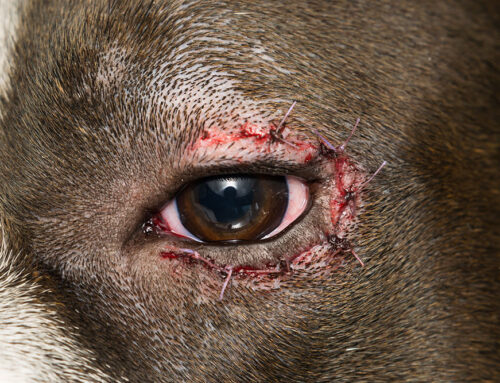
Eye Injuries: When Curiosity Turns Risky
Eye emergencies are common in young pets who love to explore. Scratches, debris, or infections can cause redness, tearing, or discharge. Never use human eye drops or rinse with tap water- these can worsen damage.
Prompt care prevents ulcers or permanent vision loss. Our veterinarians use specialized tools to examine the cornea and provide medicated drops or ointments for healing.
If your puppy or kitten is pawing at their eye, keeping it closed, or showing cloudiness, call us right away for same-day evaluation.
Weakness, Collapse, and Low Blood Sugar
Tiny pets have fast metabolisms and small energy reserves. When they go too long without eating, they can experience hypoglycemia, which causes weakness, trembling, and disorientation. Immediate treatment with glucose and warming is critical.
Other causes of collapse include anemia, infections, or congenital heart conditions. At Liberty Veterinary Hospital, we use digital X-rays, lab work, and ultrasound to identify underlying causes and guide treatment. Frequent, balanced meals and temperature regulation can help prevent these crises in growing pets.
Preventing Emergencies Through Wellness Care
The best way to protect your new companion is through consistent preventive medicine. Regular wellness and routine visits allow early detection of subtle issues like heart murmurs, parasites, or dental problems before they escalate.
During each exam, our veterinarians perform nose-to-tail assessments, review nutrition, and create customized vaccination schedules. Our AAHA accreditation ensures every step meets the highest standards of veterinary medicine.
The Value of Pet Insurance and Preparedness
Emergencies are unpredictable- and often expensive. Pet insurance can provide peace of mind, covering emergency treatments, hospitalization, or surgery when the unexpected happens.
We also recommend preparing a pet emergency kit: include food, water, medication, a copy of vaccination records, and the phone numbers for your veterinarian and nearest emergency clinic. Our team can help you tailor it for your household’s needs.
When to Call for Help
Call Liberty Veterinary Hospital or visit us immediately if your puppy or kitten:
- Struggles to breathe or collapses
- Has continuous vomiting or bloody diarrhea
- Ingests a toxin or chews electrical cords
- Shows eye redness, discharge, or squinting
- Sustains visible injuries, fractures, or head trauma
Our veterinarians are available during business hours to triage emergencies, and we partner with local 24-hour facilities for after-hours care.
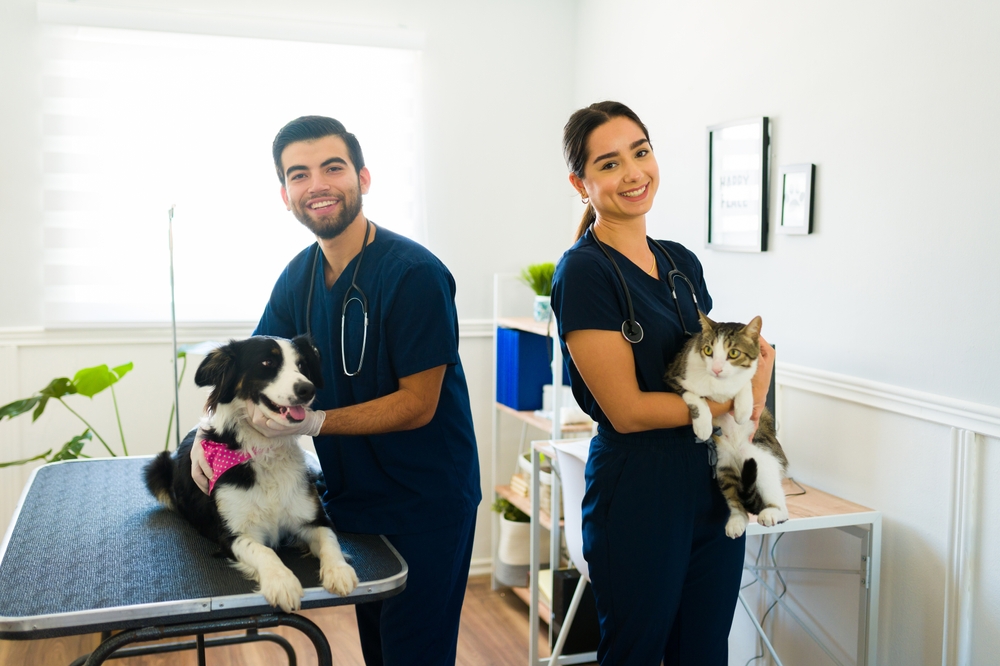
Your Partner in Puppy and Kitten Care
From preventive wellness to urgent medical care, Liberty Veterinary Hospital is here to protect your newest family members every step of the way. Our commitment to AAHA standards ensures excellence in every service we provide- from advanced diagnostics to compassionate support during emergencies.
If your puppy or kitten is showing worrisome signs, don’t wait. Request an appointment or contact us today for expert guidance and care.
And for those considering adding a new furry family member, explore our adoptions page to help give a pet in need a loving home. Because at Liberty Veterinary Hospital, we believe prevention, compassion, and education are the foundations of a lifetime of health and happiness.


Leave A Comment